
Car accidents cause more immediate, obvious physical injuries. In some cases, a person may develop vision problems that disrupt their daily routines and create long-term challenges. These changes may appear right away or develop gradually, sometimes going unnoticed until they interfere with work, driving, or other tasks.
What Types of Vision Problems Can Develop After a Collision?
Visual changes following a crash present themselves in different ways. Some people experience blurred or double vision, while others develop sensitivity to light or a reduction in peripheral vision. Floaters, flashes of light, or partial sight loss can also appear. The intensity and duration depend on the injury’s nature and severity.
What Causes Vision Changes After a Car Accident?
Several injuries can trigger vision problems. Trauma to the eyes, optic nerves, or brain may interfere with how visual information is processed. A direct impact to the face, a concussion, or retinal damage can also disrupt normal function.
Can Whiplash Lead to Eye Problems?
Yes, whiplash can affect the visual system. The sudden, forceful motion of the head snapping back and forth during a collision may strain neck structures that influence nerve signals between the brain and eyes. This can result in double vision, difficulty focusing, or other disturbances.
Are Vision Problems Always Immediate After an Accident?
No, the symptoms may be delayed. Some people notice vision changes right away, but others do not experience them until hours or days later. Internal swelling, bleeding, or inflammation can worsen over time, creating new symptoms well after the initial impact. Ongoing observation of eye health is important following a collision.
What Is Photophobia and Can It Be Linked to Car Accidents?
“Photophobia” refers to a heightened sensitivity to light. It may develop after an eye injury, concussion, or other trauma. Individuals with photophobia often find bright environments uncomfortable, which can interfere with driving, reading, or screen use. In some cases, this sensitivity may be accompanied by headaches or dizziness.
Can Concussions Cause Vision Problems?
Yes, concussions can affect visual processing. When the brain is jarred, it may temporarily disrupt communication between the eyes and brain. This can cause blurred vision, eye strain, or difficulty concentrating. The duration of these problems depends on the injury’s severity and the success of any treatment provided.
When Should I Seek Medical Attention for Vision Changes?
Medical care should be sought promptly if vision changes occur after a car accident. Even minor disturbances may indicate a more significant injury. An early assessment by an ophthalmologist or neurologist can help determine the cause and reduce the risk of worsening symptoms.
How Are Post-Accident Vision Problems Diagnosed?
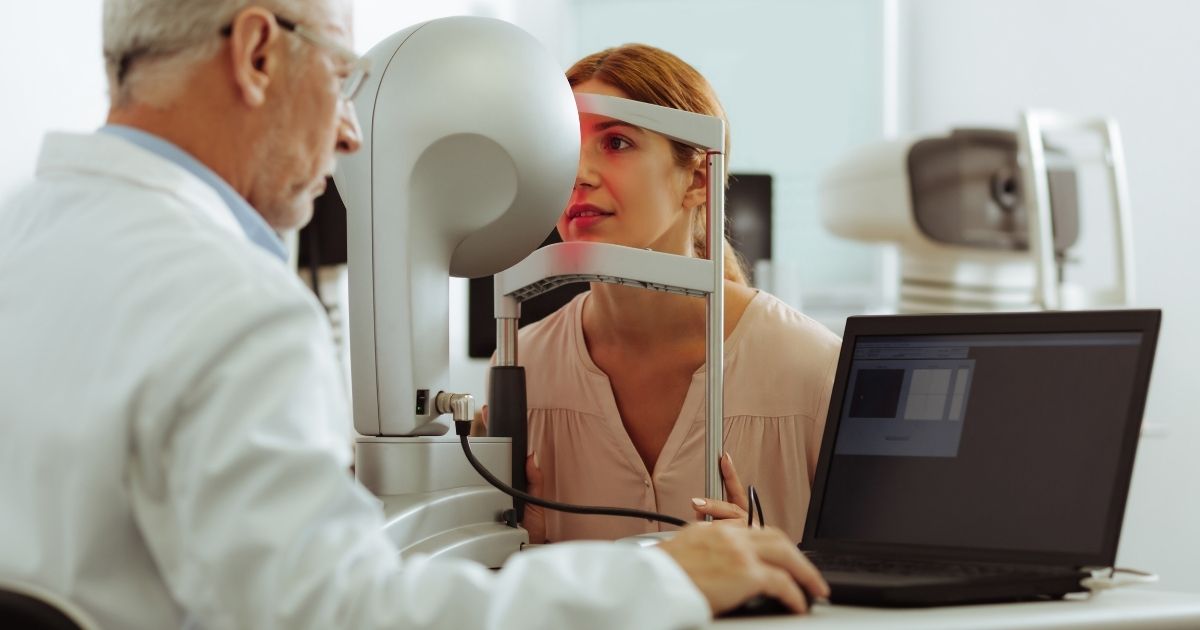
A diagnosis typically begins with a full eye examination. If needed, imaging tests like MRI or CT scans may be ordered to assess the brain and optic nerves. Eye movement, visual acuity, and peripheral vision tests can pinpoint the source of the problem and guide treatment recommendations.
What Treatments Are Available for Vision Issues After a Crash?
Some people benefit from corrective lenses or vision therapy, while others may require surgery or medication. When a brain or nerve injury is involved, rehabilitation may be necessary. In some cases, symptoms improve with time, but others require ongoing management.
Can Vision Problems Affect Daily Life After an Accident?
Yes, vision issues can interfere with normal activities such as driving, working, or reading. They may also cause headaches, difficulty concentrating, or feelings of imbalance. Adjustments to lighting, workload, or transportation may be needed during recovery.
Chester County Car Accident Lawyers at Eckell Sparks Help Clients Pursue Fair Compensation for Motor Vehicle Crash Injuries
If you need sound legal advice, contact our Chester County car accident lawyers at Eckell, Sparks, Levy, Auerbach, Monte, Sloane, Matthews & Auslander, P.C. today. Call us at 610-565-3700 or complete our online form for an initial consultation. With office locations in Media and West Chester, Pennsylvania, we proudly serve clients in Delaware County, Chester County, and Montgomery County.