
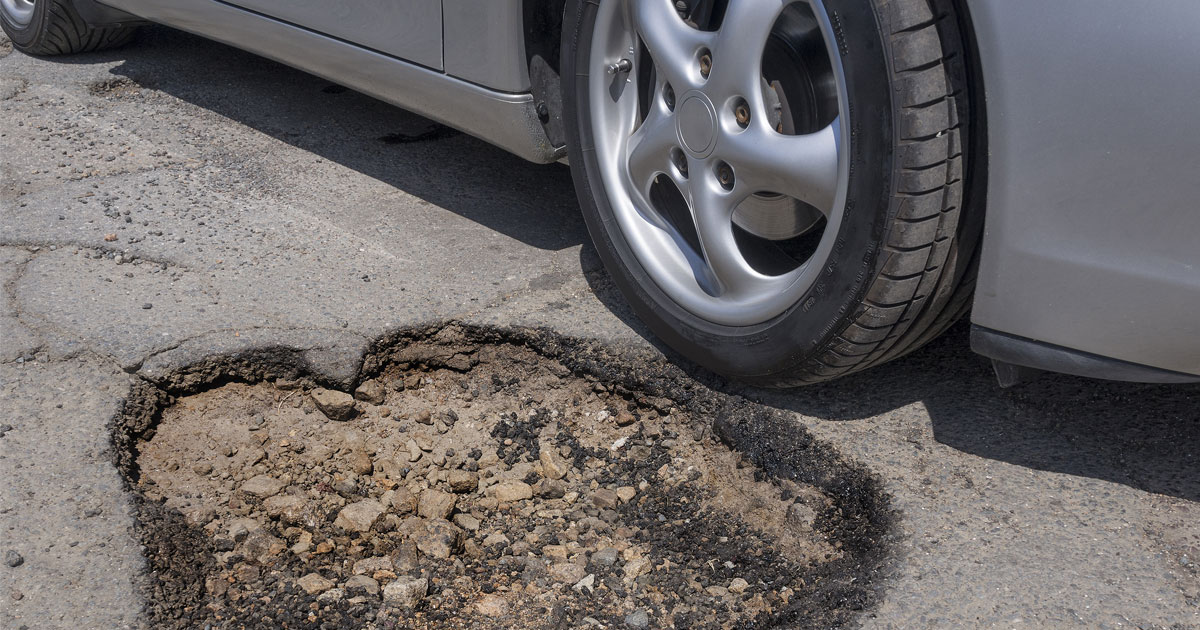
On familiar and unfamiliar roads, potholes, debris, and other road hazards can appear without warning, turning an ordinary drive into a disaster. When these hazards cause car accidents, drivers wonder who bears responsibility for their injuries and vehicle damage. Determining responsibility for road hazard crashes requires examining factors that can reveal evidence and help you pursue fair compensation for your damages.
What Types of Road Hazards Commonly Cause Accidents?
Potholes are a very common road hazard; more appear after harsh winter weather damages pavement. Debris such as fallen tree branches, construction materials, or items that fell from vehicles can also create sudden dangers. Additionally, faded or missing lane markings, broken traffic signals, inadequate signage, and poor drainage that leads to standing water frequently contribute to collisions. Uneven pavement, crumbling road edges, and missing guardrails present further risks to motorists.
Who Maintains Different Types of Roads?
Identifying the correct maintaining authority is the first step in determining liability. Pennsylvania roads fall under various jurisdictions depending on their classification. The Pennsylvania Department of Transportation maintains state highways and interstates, while county governments typically handle their roads. Municipal authorities take responsibility for local streets within city or township boundaries, while private roads in residential developments or business parks remain the responsibility of property owners or homeowner associations.
How Does Government Immunity Affect Road Hazard Claims?
Government entities in Pennsylvania have limited immunity from lawsuits, although exceptions exist. The Political Subdivision Tort Claims Act allows claims when roads are in a dangerous condition that officials either created or had actual notice or could reasonably be charged with notice about and failed to repair within a reasonable timeframe. Proving actual notice means showing that authorities received complaints, conducted inspections, or otherwise knew about the hazard before the accident happened. This requirement makes documentation and witness testimony particularly important in these cases.
What Evidence Strengthens a Road Hazard Accident Claim?
Photographs of the hazard, vehicle damage, and the accident scene provide powerful documentation that captures conditions at the time of the crash. Police reports serve a similar purpose when they note the road condition and establish official records. Medical records become important because they link injuries directly to the accident. Previous complaints to road authorities or work orders showing delayed repairs can prove prior knowledge, while witness statements from other drivers add credibility. Weather reports and maintenance records help establish how long the dangerous condition existed.
Can Drivers Share Fault in Road Hazard Accidents?
Pennsylvania follows a “modified comparative negligence” rule, which means drivers can recover damages as long as they are less than 51% at fault. However, their compensation is reduced by their percentage of responsibility. For example, if authorities failed to fix a known pothole but the driver was speeding or distracted, both parties might share liability. Courts examine whether a reasonable driver could have avoided the hazard or whether the condition was so unexpected that avoidance was impossible.
What if I Swerved to Avoid a Pothole and Hit Another Vehicle?
Swerving to avoid a pothole that causes a collision with another vehicle adds another level of complexity to a claim. The road maintenance authority could face responsibility if they knew about the hazard and neglected repairs, and the other vehicle’s driver might file a claim against the person who swerved, arguing they failed to maintain proper control. Meanwhile, the driver who swerved could pursue claims against both the government entity for creating the dangerous condition and potentially the other driver if they contributed to the crash through their own actions.
What Compensation Can I Recover?
Injured parties can pursue medical expenses, including hospital bills, surgery costs, rehabilitation, and future medical care. Lost wages from missed work and reduced earning capacity if injuries cause long-term disability are also compensable. Property damage covers vehicle repairs or replacement value. Pain and suffering account for physical discomfort and emotional distress, while loss of life enjoyment addresses limitations on daily activities and hobbies.
Our Experienced West Chester Car Accident Lawyers at Eckell Sparks Stand Ready to Fight for Your Road Hazard Claim
Were you injured in a crash caused by a road hazard? Do not hesitate to contact our West Chester car accident lawyers at Eckell, Sparks, Levy, Auerbach, Monte, Sloane, Matthews & Auslander, P.C. For an initial consultation, call us today at 610-565-3700 or complete our online form. With office locations in Media and West Chester, Pennsylvania, we proudly serve clients in the surrounding areas.