
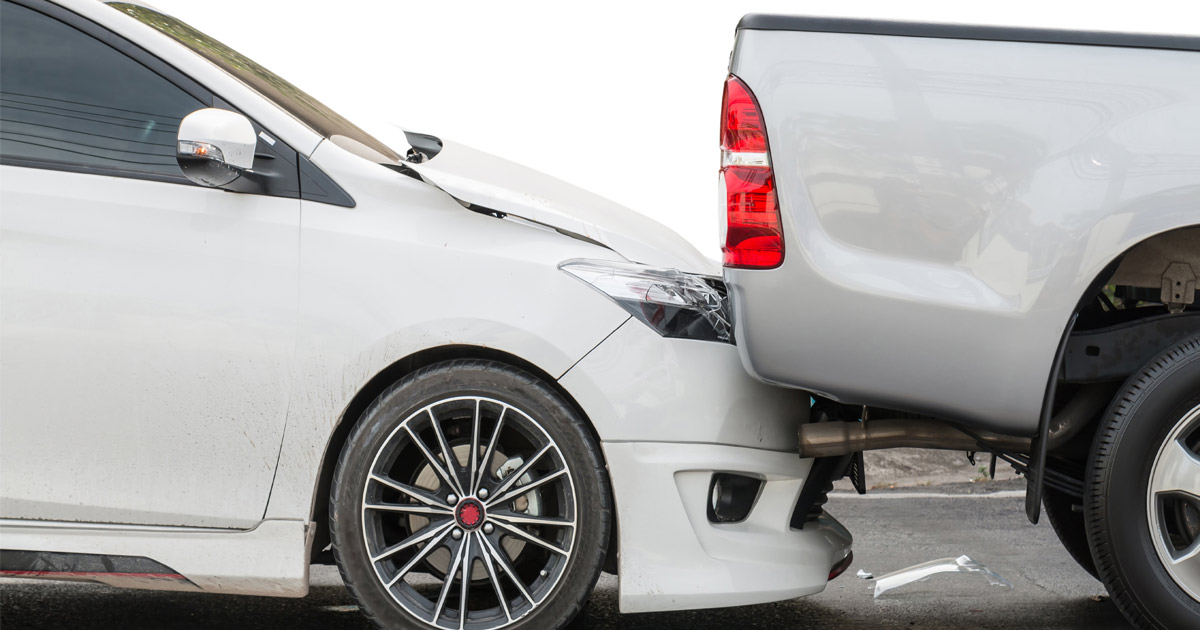
Getting rear-ended at a stoplight, in traffic, or at another location leaves drivers shaken and unsure about what comes next. Most people assume the driver who hit them from behind is automatically responsible, but Pennsylvania law takes a closer look at the circumstances surrounding each crash. Determining fault involves examining driver behavior, road conditions, and specific actions leading up to the impact. Knowing how Pennsylvania courts evaluate these car accidents helps drivers protect their rights after these unexpected crashes.
Is the Rear Driver Always at Fault?
Pennsylvania law presumes the rear driver bears responsibility in most rear-end collisions because drivers must maintain a safe following distance. This presumption exists because the trailing vehicle typically has the opportunity to stop or avoid impact if traveling at a reasonable speed and paying attention. However, this assumption can be challenged when evidence shows the front driver acted negligently or unpredictably. Courts examine whether the rear driver had sufficient time to react and whether any actions by the lead vehicle contributed to the crash.
What Actions by the Front Driver Could Affect Fault?
The front driver may share liability if their actions directly caused or contributed to the collision, which changes how damages are distributed. Sudden braking without cause, reversing unexpectedly, or having non-functioning brake lights can shift some responsibility to the lead vehicle’s operator. Pennsylvania follows a “modified comparative negligence” rule, allowing recovery of damages only if a driver is less than 51% at fault. If the front driver bears partial responsibility, their compensation decreases proportionally to their percentage of fault assigned by the court.
How Does Following Distance Impact Liability?
Pennsylvania law requires drivers to maintain an “assured clear distance,” meaning enough space to stop safely under current conditions without hitting the vehicle ahead. This distance varies based on speed, weather, visibility, and traffic patterns, requiring drivers to adjust spacing as conditions change throughout their journey. When rear-end collisions occur, investigators examine skid marks, vehicle damage, and witness statements to determine whether adequate following distance existed before impact. Tailgating eliminates the time needed to react to sudden stops, making the rear driver liable for failing to leave appropriate space between vehicles.
Can Road Conditions Change Fault Determination?
Poor road conditions do not automatically excuse a rear-end collision, as drivers must adjust their speed and following distance to match current circumstances. Rain, ice, fog, or construction zones require increased caution, which means traveling slower and leaving extra room between vehicles to accommodate longer stopping distances. Pennsylvania courts expect drivers to recognize hazardous conditions and modify their driving accordingly, rather than maintaining normal speeds in dangerous situations.
What Evidence Proves Fault in These Cases?
Police reports, photographs, witness statements, and vehicle damage all help establish how a rear-end collision occurred and which driver acted negligently. Additionally, dashcam footage and traffic camera recordings provide valuable visual evidence showing vehicle positions, speeds, and driver actions immediately before impact. Skid marks indicate whether drivers attempted to brake, while the severity and location of vehicle damage reveal impact angles and force levels during the crash. Finally, medical records documenting injuries also support claims by demonstrating the collision’s severity and the harm suffered by those involved in the accident.
Our Skilled West Chester Car Accident Lawyers at Eckell Sparks Help Clients Pursue Compensation After Rear-End Collisions
If you need legal representation after a rear-end collision, contact our West Chester car accident lawyers at Eckell, Sparks, Levy, Auerbach, Monte, Sloane, Matthews & Auslander, P.C. For an initial consultation, call us today at 610-565-3700 or complete our online form. With office locations in Media and West Chester, Pennsylvania, we proudly serve clients in the surrounding areas.