
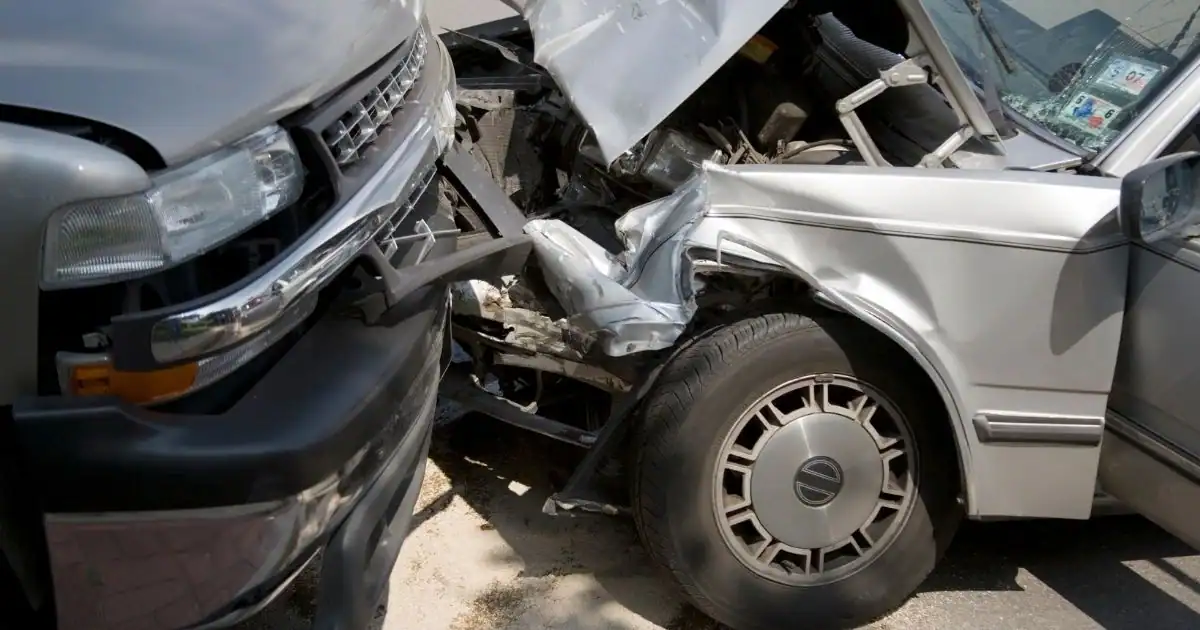
Of all the car accidents that happen on American roads, head-on collisions are among the most violent and life-altering. When two vehicles traveling in opposite directions meet, the combined force of the impact leaves little room for minor injuries. Survivors often face long hospital stays, multiple surgeries, and months of rehabilitation, while families are left trying to piece together what comes next.
What Makes Head-On Collisions So Dangerous?
“Head-on collisions” are particularly destructive because the force of both vehicles combines at the moment of impact, which dramatically increases the energy transferred to occupants. Even at moderate speeds, that combined force causes injuries far more severe than those in a typical rear-end or side-impact crash. The human body absorbs that energy through the chest, spine, and head, which is why fatalities and permanent injuries occur at higher rates in this type of accident.
What Types of Injuries Are Most Common in Head-On Crashes?
Traumatic brain injuries, spinal cord damage, broken bones, and internal bleeding are among the most frequently reported injuries in head-on collisions. Chest injuries caused by airbag deployment or seatbelt force are also common, as are facial fractures and torn ligaments. Because the impact is so direct, multiple injuries often occur simultaneously.
What Causes Head-On Collisions?
Wrong-way driving, distracted driving, and impaired driving are leading causes of head-on crashes, while drowsy driving and unsafe passing on two-lane roads also contribute significantly. A driver who drifts across the center line, whether due to a momentary distraction or fatigue, can cause a collision with little to no warning. Road design flaws, truck part defects, poor truck maintenance, and missing signage can also play roles.
How Is Fault Determined After a Head-On Collision?
“Fault” is typically established by reviewing police reports, witness statements, traffic camera footage, and physical evidence from the scene. Accident reconstruction professionals may analyze vehicle damage and skid marks to determine how the crash occurred. In some cases, data from a vehicle’s onboard event recorder can show speed, braking, and steering inputs in the seconds before impact, which provides objective insight into driver behavior.
What Compensation May Be Available After a Serious Head-On Crash?
Injured parties may seek compensation for medical expenses, lost wages, property damage, future care costs, and pain and suffering. The severity of injuries in head-on collisions often means that long-term costs, including ongoing therapy or in-home care, must be factored into any settlement or verdict. A lawyer can calculate the full scope of damages so that no future need is overlooked.
How Does Pennsylvania Law Affect a Head-On Collision Claim?
Pennsylvania follows a “modified comparative negligence” rule, which means a person can recover damages as long as they are not more than 50% at fault for the crash. If some degree of fault is assigned to the injured party, the compensation award is reduced by that percentage. Pennsylvania is also a “choice no-fault” state, where drivers select either “limited” or “full-tort” coverage, which directly affects the right to sue for pain and suffering.
How Long Do I Have to File a Claim in Pennsylvania?
Pennsylvania law generally gives injured parties two years from the date of the accident to file a personal injury lawsuit, although certain circumstances can shorten or extend that window. Missing the deadline almost always results in losing the right to pursue compensation, which is why we recommend speaking with a lawyer promptly after a crash. Acting quickly also helps preserve evidence that might otherwise be lost over time.
Let Our Skilled Media Car Accident Lawyers at Eckell Sparks Handle Your Claim So You Can Focus on the Healing Process
If you or a loved one was seriously injured in a head-on collision, contact our Media car accident lawyers at Eckell, Sparks, Levy, Auerbach, Monte, Sloane, Matthews & Auslander, P.C. To schedule an initial consultation, call us today at 610-565-3700 or complete our online form. With office locations in Media and West Chester, Pennsylvania, we proudly serve clients in the surrounding areas.