
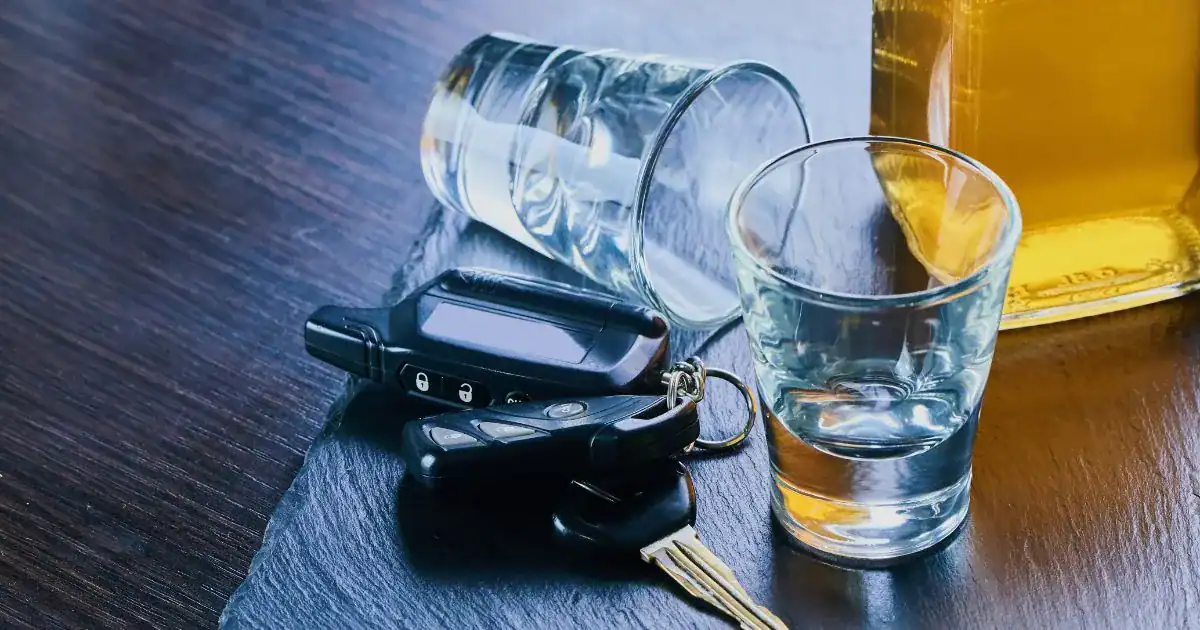
A day or night out at a restaurant, sports bar, or anywhere else alcohol is served can take a tragic turn when an intoxicated driver causes a car accident. While many people focus only on the driver who caused the collision, Pennsylvania law may also allow claims against businesses that served alcohol under certain circumstances. “Dram shop” laws address these situations where alcohol providers may share responsibility for injuries linked to intoxicated patrons.
What Are Dram Shop Laws?
Pennsylvania “dram shop laws” allow injured people to pursue claims against businesses that unlawfully serve alcohol: Bars, restaurants, and other alcohol providers may face liability if they serve visibly intoxicated people or minors who later cause harm. These laws are intended to promote responsible alcohol service practices.
How Do Dram Shop Claims Relate to Injury Cases?
Dram shop claims often arise after alcohol-related crashes or violent incidents. While the intoxicated person may still face legal responsibility, an alcohol provider may also share liability if unlawful alcohol service contributed to the injuries. These claims can be tied to personal injury lawsuits.
What Does Pennsylvania Law Say About Serving Alcohol?
Pennsylvania law generally prohibits licensed businesses from serving alcohol to visibly intoxicated people or individuals under 21 years old. If unlawful service contributes to injuries or property damage, the business may face civil liability. Courts review evidence carefully to determine whether alcohol service violated state law.
What Does Visibly Intoxicated Mean?
“Visible intoxication” refers to signs showing that a person appeared impaired before additional alcohol was served. Slurred speech, poor coordination, stumbling, aggressive behavior, or bloodshot eyes may support claims of visible intoxication. Because these cases often depend on witness testimony, observations from staff or customers may become important evidence.
Can Restaurants and Bars Be Sued After Drunk Driving Crashes?
Yes, bars and restaurants may face lawsuits if they served alcohol unlawfully to a visibly intoxicated person or minor who later caused a crash. Although the intoxicated driver remains responsible for personal actions, the alcohol provider may also face financial liability under the Pennsylvania dram shop laws.
What Evidence Is Used in Dram Shop Claims?
“Evidence” may include surveillance footage, receipts, witness statements, police reports, and toxicology results. Courts may also review testimony about the patron’s behavior before leaving the establishment. Alcohol service records become important in these cases, and investigators need to gather evidence quickly after an accident occurs.
How Do Dram Shop Laws Affect Car Accident Claims?
Dram shop laws may expand the number of parties involved in a car accident claim. While the injured person may pursue compensation from the intoxicated driver, claims may also involve the business that served alcohol unlawfully. This may increase the available insurance coverage in serious injury cases.
Can Dram Shop Claims Involve Fatal Accidents?
Yes, dram shop claims may arise after fatal crashes linked to intoxicated individuals. Surviving family members may pursue “wrongful death” claims against both the impaired person and the alcohol provider if unlawful service contributed to the fatal event.
Why Are Dram Shop Claims Often Challenged?
Businesses accused of these charges want to protect their interests and are able to challenge dram shop claims because proving visible intoxication may be difficult. Their legal teams may argue that the patron did not appear impaired or that another factor caused the accident. Because evidence may disappear quickly, early investigation becomes important in these cases.
Hold Negligent Parties Accountable With Our Experienced Media Car Accident Lawyers at Eckell Sparks
To see if our state’s dram shop laws apply to your claim, contact our Media car accident lawyers at Eckell, Sparks, Levy, Auerbach, Monte, Sloane, Matthews & Auslander, P.C. For an initial consultation, call us today at 610-565-3700 or complete our online form. With office locations in Media and West Chester, Pennsylvania, we proudly serve clients in the surrounding areas.