
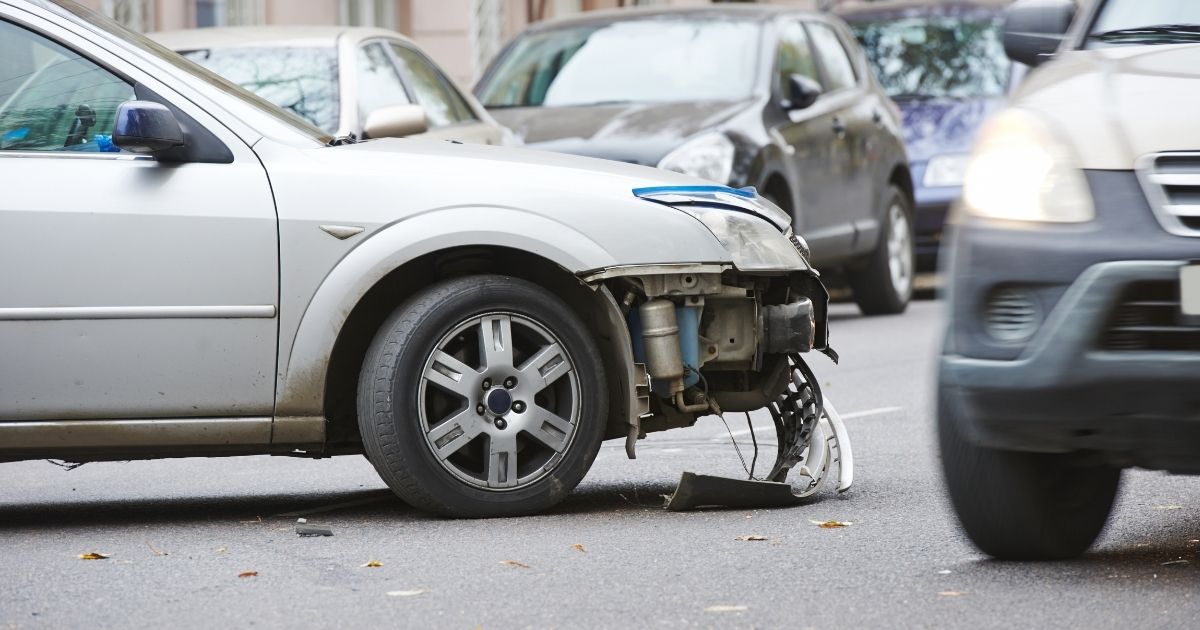
Car accidents happen on every type of roadway, but certain roads carry higher risks due to traffic volume, speed limits, design, and driver behavior. Other risk factors that make them like this include heavy congestion, sharp curves, limited visibility, or higher speed limits. Knowing which roads tend to have more collisions can help you remain cautious and better prepared while traveling.
Are Highways More Dangerous Than Local Roads?
Highways see a high number of accidents because of faster speeds, heavy traffic, and multiple lanes. While many are well-maintained, the combination of high velocity and driver errors often results in more severe crashes compared to other roads. However, because they are designed for continuous traffic flow, highways can have fewer minor collisions than congested city streets.
Do Rural Roads Have Higher Accident Rates?
Rural roads also experience a significant number of serious accidents despite having less traffic overall. Limited lighting, speeding, sharp curves, narrow shoulders, and poor maintenance are the risk factors here. To make matters worse, emergency response times can be longer in rural areas.
Why Do Intersections Increase the Risk of Collisions?
Intersections are one of the most common locations for accidents because multiple traffic patterns converge in one area. Drivers must make quick decisions while managing vehicles approaching from several directions. Failing to yield, running red lights, and misjudging the speed of oncoming cars often lead to side-impact crashes, which can be especially severe.
Are Urban Roads Safer Than High-Speed Roadways?
Urban streets typically have lower speed limits, which can reduce the severity of crashes, but they also tend to have a higher overall number of collisions. Dense traffic, buses, frequent stops, pedestrians, cyclists, and parked cars all contribute to increased hazards. Distracted driving and aggressive lane changes are particularly common in busy downtown areas, especially during rush hours.
Why Are Two-Lane Roads Often Riskier Than Multi-Lane Highways?
Two-lane roads can be especially hazardous because they frequently require drivers to pass oncoming traffic in close proximity. These roads often lack dividers, increasing the potential for head-on collisions. Limited visibility, hidden driveways, and sharp curves make reaction times shorter, and speeding further increases the likelihood of severe accidents on these routes.
How Do Work Zones Contribute to Higher Accident Rates?
Road construction zones present added dangers because of lane shifts, reduced speed limits, and narrowed passageways. Drivers may face sudden stops or unpredictable merging patterns, increasing the risk of rear-end and side-swipe collisions. Limited signage or poorly marked detours can confuse drivers and create unsafe situations, especially when traffic is already congested.
Are Certain Times of Day More Dangerous on Different Roads?
Yes, accident patterns fluctuate during certain times of day. Highways tend to see more severe crashes late at night when drivers are fatigued or impaired, while urban roads are more hazardous during peak commuting hours. Rural roads can be especially dangerous at night due to reduced lighting and fewer reflective markers, making it harder to see hazards in time.
Can Driver Behavior Impact Which Roads Have the Most Accidents?
Absolutely. Speeding, distracted driving, tailgating, and aggressive lane changes all increase the likelihood of collisions, regardless of the road type. However, certain behaviors are more common in specific settings, such as excessive speeding on highways, running stop signs on rural roads, and distracted driving in urban traffic. Driver decisions will determine whether higher-risk conditions turn into actual accidents.
Do Not Wait: Start Protecting Your Rights With Our Chester County Car Accident Lawyers at Eckell Sparks
If you need legal advice about a serious motor vehicle crash, contact our Chester County car accident lawyers at Eckell, Sparks, Levy, Auerbach, Monte, Sloane, Matthews & Auslander, P.C. today. To schedule an initial consultation, call 610-565-3700 or complete our online form. With office locations in Media and West Chester, Pennsylvania, we proudly serve clients in Delaware County, Chester County, and Montgomery County.