
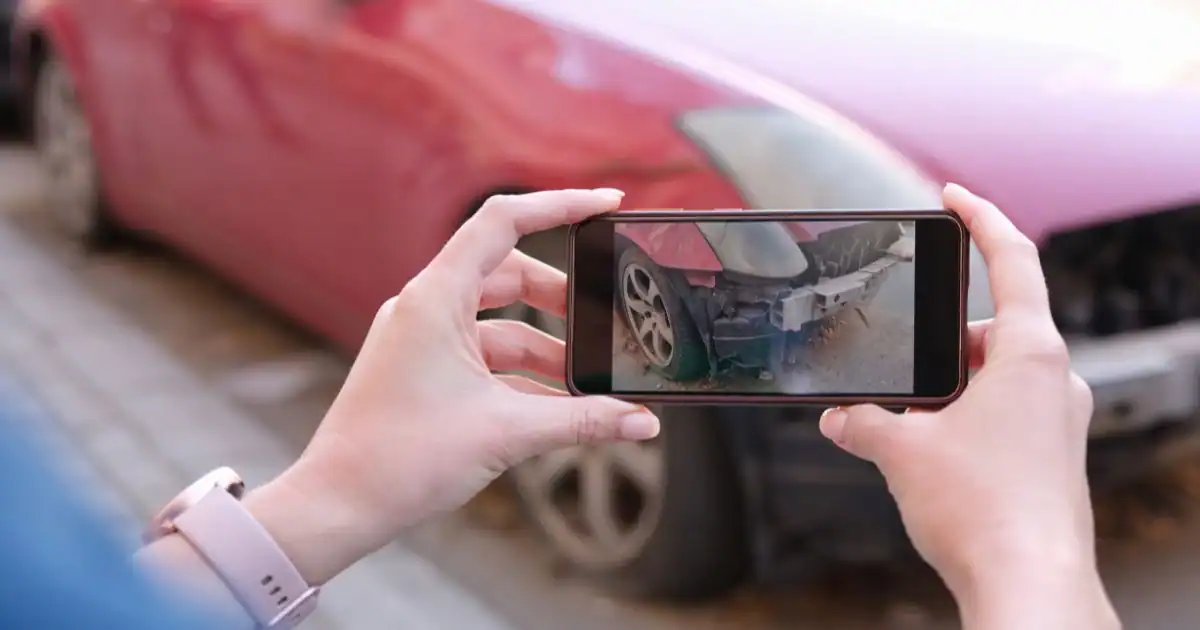
After a car accident, many people use social media to stay connected with friends and family, sharing updates about their daily lives. A photo, comment, or location tag may appear harmless, but those posts can affect an injury claim in unexpected, negative ways.
How Can Social Media Affect a Car Accident Claim?
Social media activity may affect a car accident claim because posts, photos, and comments can become part of the case review process. Insurance companies may compare online activity with medical records and reported injuries, while public content may be discussed during settlement negotiations.
Why Do Insurance Companies Review Social Media Accounts?
Insurance companies review social media accounts because they look for information that contradicts injury claims. Photos, videos, and public comments may be examined as insurers evaluate the seriousness of reported injuries. For instance, if someone claims they are seriously injured and shares posts of themselves dancing at a party, that would be a red flag.
Can Deleted Posts Still Be Used in a Claim?
Deleted posts may still become part of a claim because screenshots, shared content, or archived records can remain available. Courts may also review deleted material if it relates to the case. Although removing content may seem helpful, deleting posts after an accident can sometimes create additional legal disputes during litigation.
What Types of Posts Can Hurt a Car Accident Case?
Photos showing travel, exercise, or social activities may affect a car accident case if they appear inconsistent with reported injuries. Comments about the collision may also create problems, especially when statements differ from official records. Because online content often lacks context, even ordinary posts may be interpreted differently during a legal dispute.
Should Accident Details Be Shared Online?
No, public comments about injuries, recovery, or fault may later become part of the claim review process. The insurer or the other party’s legal team may be able to see your online posts, so we strongly recommend avoiding social media after an accident.
Do Comments From Friends or Family Matter?
Yes, because tagged posts and public conversations can draw attention from insurance investigators. Shared photos or online discussions may also become part of the review process. Because outside comments are difficult to control, limit public conversations about the accident to friends and family.
Can Location Tags Create Problems After an Accident?
“Location tags” may create concerns when they suggest activities inconsistent with claimed injuries. Visits to restaurants, sporting events, or vacation destinations may raise questions, although a tagged location alone does not prove physical condition. Because insurers often review timelines closely, location tags may become part of a larger investigation.
How Do Pennsylvania Courts Handle Social Media Evidence?
Pennsylvania courts may allow social media evidence when it directly relates to disputed issues in a case. Courts often review whether online content is relevant before admitting it into evidence. Because digital records now play a larger role in litigation, social media evidence is frequently reviewed during injury claims.
What Online Steps Can Protect a Car Accident Claim?
We suggest limiting public posts, avoiding accident discussions, and reviewing privacy settings to reduce potential issues during a car accident claim. Friends and family should also avoid tagging someone involved in the collision or discussing injuries online. Be aware that your social media activity may be reviewed closely after a crash; even the most general comments could be used against you by the other party.
Protect Your Case From Online Mistakes With Our Knowledgeable West Chester Car Accident Lawyers at Eckell Sparks
Social media posts can get you into hot water if you are pursuing compensation for a car accident. To learn more, contact our West Chester car accident lawyers at Eckell, Sparks, Levy, Auerbach, Monte, Sloane, Matthews & Auslander, P.C. For an initial consultation, call us today at 610-565-3700 or complete our online form. With office locations in Media and West Chester, Pennsylvania, we proudly serve clients in the surrounding areas.